Spring Clean: Preparation

jft7aPsalm 51:10 “Create in me a pure heart, O God, and renew a steadfast spirit within me.”

Spring is a time of freshness and renewal. So let’s refresh our rooms!

Supplies

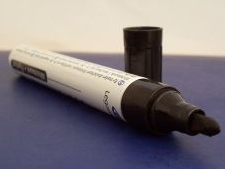
To clean out your bedroom, you’ll need several trash bags, a permanent marker, two laundry baskets or boxes, cleaning wipes, and a vacuum cleaner. Label one bag “trash” and one bag “giveaway” with the marker. One box will be used for items you come across that belong somewhere else in the house––instead of wasting time putting items away as you find them, and getting distracted in the process, you can just toss them in the box and put everything away at the same time as soon as you’re done going through your room. The other box is for “unsure” items. If you can’t decide whether to keep or get rid of something, don’t waste time mulling over it while you’re cleaning––just throw it into your “unsure” box ––we’ll come back to this later.

Preparation

Decide where to begin. You can go about this two ways.

One way is to choose the most dreaded place in your room––does the thought of cleaning out your closet overwhelm you? Start there! Maybe it’s a bookshelf that’s full of childhood knick-knacks and books. Or maybe you haven’t been able to see more than three inches under your bed in years. Start in whichever place feels like the worst place. You’ll have a fresh mind to clean instead of being worn out from doing everything else first. Once you tackle that spot, you’ll feel like you can accomplish anything, and the rest of your room will be easy to clean in no time!

The other way to decide where to start is to simply choose a random spot. Maybe your nightstand drawer will be really easy to organize but you just haven’t taken the time to do it. Do that first! If your dresser seems like a good place to begin, do it. The important thing is to start somewhere––it really doesn’t matter where. Just pick a spot, and determine that you’ll stick with it until it’s done. If it helps you to stay on task, set a timer, and try to get done within that amount of time.

jft7bYou can also choose some upbeat, appropriate music to have ready for the actual cleaning.  This will help you stay motivated to keep moving.

Remember

Keep in mind that like items should be grouped together––all t-shirts get hung up or placed in a drawer. Separating them will just add to a cluttered feeling in your space. If you have a desk, place all pencils, paper, scissors, etc. into a drawer, or corralled with like objects. Put things where they’ll be used. If you put your make-up on at your vanity every day, keep your make-up in a vanity drawer. The easier things are to get to, the more likely you’ll be to put them away when you’re done using them.

Prepare your room and your mind for cleaning today. Tomorrow we’ll post cleaning suggestions.

By Davonne Parks

Earth Day and Free Stuff!

jft4Go here to read our recent Earth Day article, here to read our article about organic cleaning supplies, and here to read all of our April articles about caring for God’s creation.

Just for today deals

Today only, you can take this coupon to any Walgreens, and they’ll give you a free reusable tote plus 15% off your entire purchase (time to stock up on that summer nail polish!).

If you’re planning on eating out tonight, you can get a free made-from-scratch Strawberry Lemonade from O-Charley’s.

You can take three plastic bottles to any Disney Store today to receive a free gift.

Deals after today

If you’d like something free, but aren’t going out tonight, check out this offer from teeccino.com – just register online and they’ll mail you caffeine-free herbal coffee!

There are free Dave Ramsey events all over the nation tomorrow night (April 23)!  He is a practical financial expert who has great advice to offer, and this will be a great event for anyone who will eventually need to know how to manage money (which is probably all of us!).

Don’t forget to enter our giveaway for a free bathing suit.  Whether you win or not, you can still get a 10% discount on your entire purchase.  Details are in the article.

If you’re planning on getting a summer job, check out this offer from Office Max – they’ll print 25 copies of your resume for free now through May 30!

Thanks

Thanks Crystal for sharing most of these freebies.

Let’s enjoy and appreciate the earth that God created, not just today, but every day!

– Davonne Parks

Sew Cool

We recently posted an article about how to make bears, bibs, and blankets for other people, helping others in need, much like the virtuous woman did in Proverbs 31:20: “She extends her hand to the poor, And she stretches out her hands to the needy.”

Today we’d like to share a few photos of things other young women have sewn, also similar to the Proverbs 31 woman. Proverbs 31:22 “She makes coverings for herself; Her clothing is fine linen and purple.”

(Click on images to enlarge.)

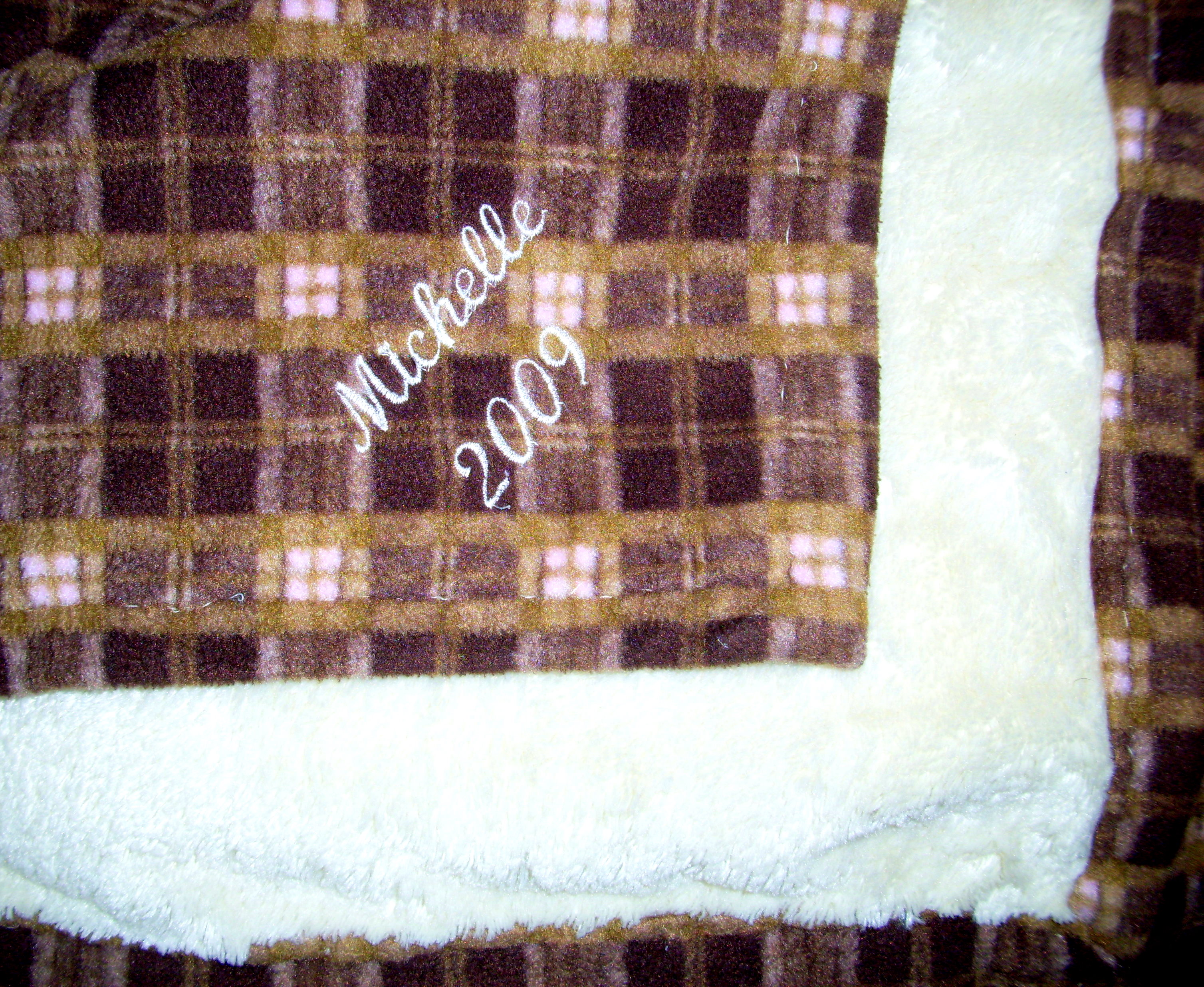
Blanket made by Michelle Jane

Blanket made by Michelle Jane

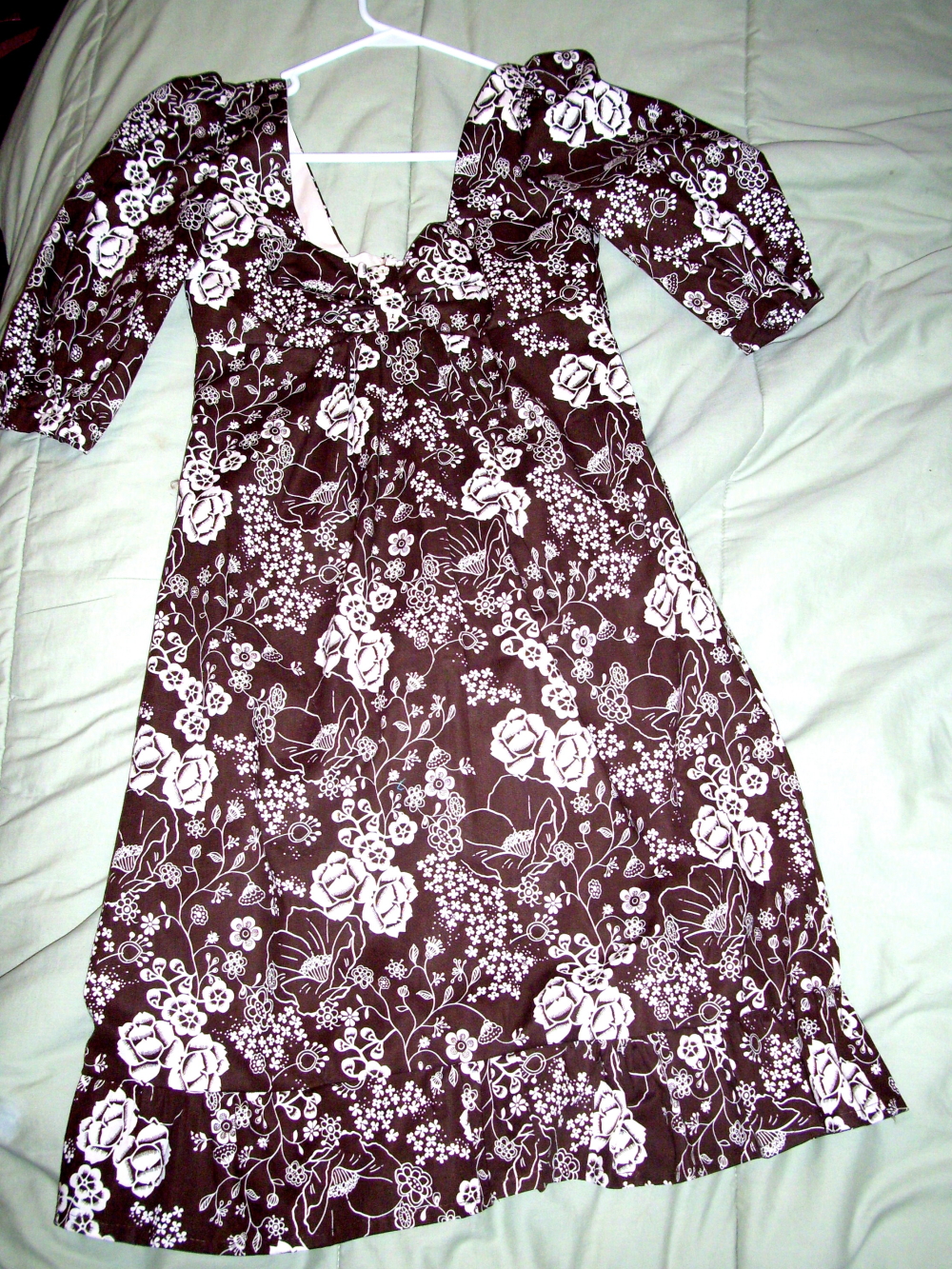
Dress made by Michelle Jane

Dress made by Michelle Jane

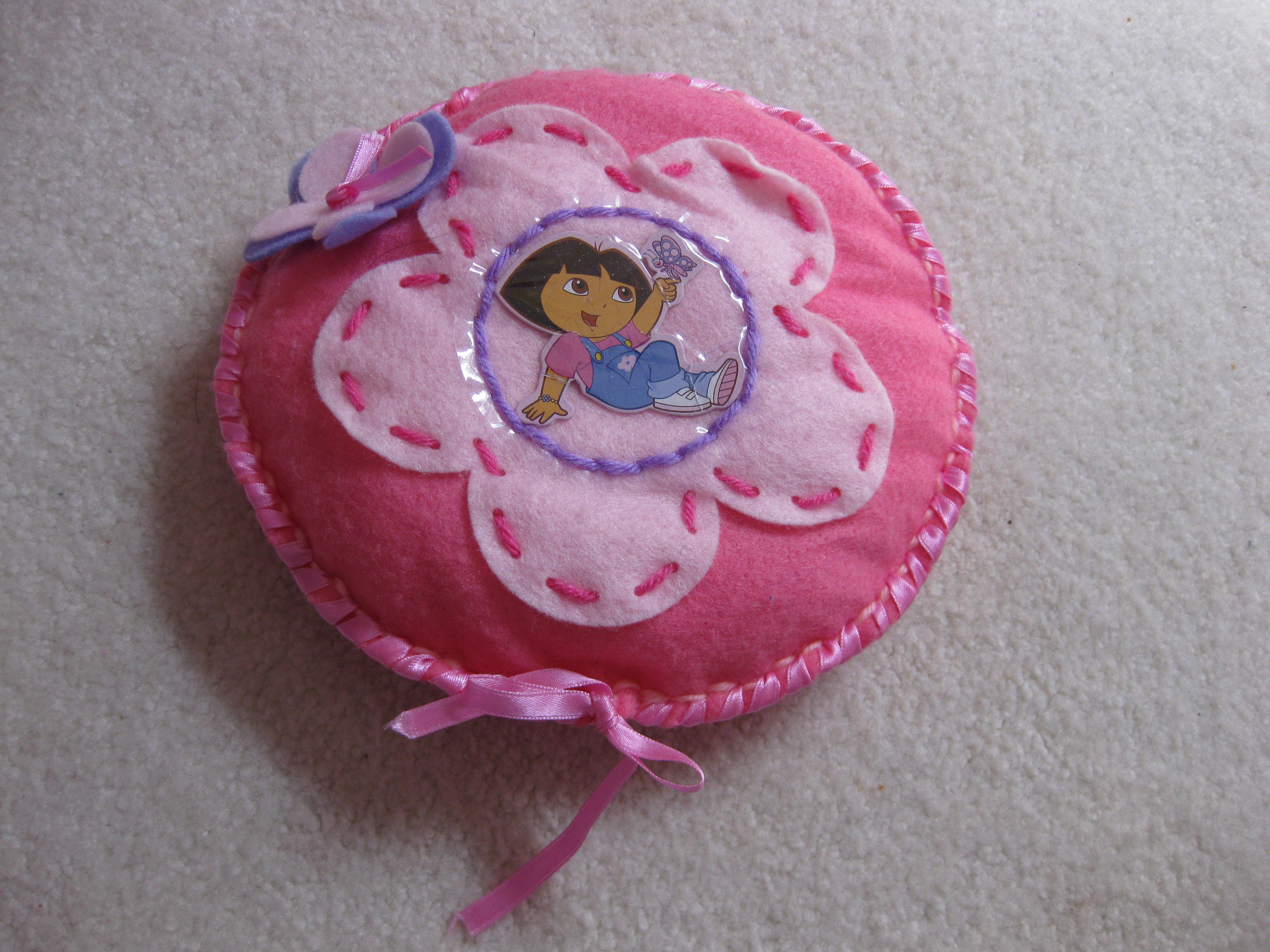
Pillow made by Lily Parks

Pillow made by Lily Parks

Coming up

Gifted Girls is featuring cooking next month, so please send recipes or photos of baked goods to Info @ PierceMyHeart . com (remove spaces) by April 28 for use in next month’s article.

By Davonne Parks

How does the economy affect you?

itw3Lately it seems all the big news has to do with the word “bailout.” This bailout is the government helping companies find a way out of bad economic decisions, poor spending, and over-inflated salaries for executives. I could go on and on with reasons why this idea is good and bad, but really all of that is too late now as the bailout has already been approved. We just need to pray it is beneficial and productive.

For most, the bailout of these big companies is just another sign of our failing economy. Most of you are probably aware of job cuts, lay-offs, and lack of new job openings. Many people think this economy crunch only affects professionals but that just is not so. Because of job loss in their workplace or simply due to inflated costs, many people are taking part-time jobs that generally attract teenage workers (i.e., jobs at the mall and fast-food services). The economy is also affecting parents’ decisions to hire sitters for the evening. They are favoring staying home rather than hiring the teenager down the street so they can go out.

So, what can a teenager do in these times to get work? Trust me, I feel your pain. I like making my own money, and have the responsibility of paying for my own gas, car insurance, etc. My first advice would be to talk to your parents. Sometimes parents know people or they themselves have things that need done that they would have to pay someone to do anyway. As spring approaches, many people hire landscapers to clean out flower beds, plant flowers, and do yard work. This would be a great way to earn money and it would not cost them as much as it would if they hired a professional landscaper. If you don’t like to work outside, perhaps offer your services for spring cleaning. Most households do a deep cleaning in the early spring. Because so many people are working two or more jobs, they may not have as much time to get this done as they usually would. They also may not have enough money to hire a professional cleaner.

Interview tips

If you have been looking for a job at a business with no luck, don’t get discouraged. Keep your head up and keep applying. I like interviews and am sharing a few tips I have learned along the way:

itw21. When turning in your application, always try to talk to the manager on duty. Give them a brief synopsis of yourself and a firm handshake. (If you are willing to work weekends and nights, make sure to mention this.)

2. Dress based on the business. Don’t assume that because you are applying at a fast food joint, you can wear jeans and a t-shirt. In general, be prepared to wear modest business casual clothes for interviews, such as dress pants with a nice shirt (even if it is fast food), unless the job will require business attire, in which case you should wear the same.

3. Keep your hair out of your face. If you have to keep brushing your hair back during the interview, it is distracting to the person you are talking to. And this is especially true if you will be working with food.

4. Do not wear open-toe shoes to an interview. No matter where it is. Once you are hired, if their policy has nothing against them, then you can wear them, but until you know for sure, play it safe and wear shoes that cover your toes––even in the summer.

5. Keep jewelry to an acceptable amount and don’t wear anything too eye catching. No big hoop earrings. A good rule of thumb is to keep the earring within 2-3’’ of the bottom of your earlobe. Wear no more than 1 necklace, 1 bracelet, and 1 ring on each hand. Too much jewelry takes away from what you really want them to pay attention to––you.

6. Do not fidget. I know most of our mothers tell us this a hundred times, but in an interview it is best to keep your hands crossed at the wrist your lap. If you clasp your hands, they may get sweaty if your nervous. By crossing them at the wrist, it allows them to breathe, plus when you stand up, before shaking hands you can gently touch them to your pants or skirt to make sure they are dry.

itw17. Be honest. We should never lie, no matter what it is about, but when it comes to getting a job the company is looking for someone to be able to fit well with their organization, meet their job requirements and they also want you to be happy with the job. By lying, it could mean you end up with a job that you aren’t qualified for and end up not liking. This makes you and the company miserable.
8. Be Polite. Use “ma’am”, “sir”, “Mr.”, “Mrs.” And of course “please” and “thank-you”. Always use “yes” or “no”. Using “ya” or “nah” is not appropriate in an interview.

9. Speak clearly and slowly. I know you heart may be pounding, but don’t think you have to speak as quickly as your heart is beating. You want to make sure you are understood. Be thorough yet brief. More doesn’t mean better. The best thing to do is answer the question in its entirety without unnecessary detail. Also, don’t be afraid to ask questions. While it is good to know the basics of what a company does before you go to the interview, it is ok to ask a little more about them. It shows you are interested!

10. Be early. I always make myself leave home at least 5 minutes earlier than needed and walk into the business 4 minutes before my appointment. This way, when I check in I am early, but not to an extreme. No matter what, do not be late! When you arrive, make sure you have a copy of your resume (if you have one), and your ID.

Let’s not forget the One Who paid the biggest debt – Jesus Christ.

“May the LORD reward your work, and your wages be full from the LORD, the God of Israel, under whose wings you have come to seek refuge.” Ruth 2:12 NASB

By Sarah J. Ancheta

Ten ways to care for God’s creation

tt2The earth is a big place of which we are the custodians, and we need to take care of it. Genesis 1:26 “Then God said, ‘Let Us make man in Our image, according to Our likeness; and let them rule over the fish of the sea and over the birds of the sky and over the cattle and over all the earth, and over every creeping thing that creeps on the earth.’”
Below are some simple ways we can help to take care of the wonderful creation God has given us.

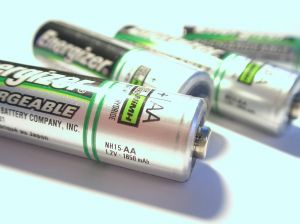
10) Use re-chargeable batteries.

9) Take a nature hike and see many of the different aspects of creation first hand.

8 ) Go fishing or hunting with your family to see a different facet of creation.

7) Start a garden and compost! Tomatoes, squash, zucchini, and corn are relatively easy to start.

6) Plant a few trees – this will encourage the CO2 and O2 cycle (plants take in the CO2 and release clean O2 ).

5) Read some facts about the earth and energy, and what you can do. (When reading, keep in mind that many articles about the earth were not written by people who believe God is in control of the earth’s time as we know from Mark 13:31-33.)

4) Tackle a recycling project.

tt13) Find recipes which use what you have grown in your garden.

2) Get your church engaged in a project that involves restoring some part of the earth.

1) Read about the Creation in Genesis.

By Megan Skinner

Recycling with the Family

fam1With all the talk about global warming and hybrid cars, helping the environment is probably never too far from our thoughts these days. Although many people have made environmental issues into political ones, often placing more focus on caring for trees than on caring for human life, we should delight in taking care of this amazing creation that God has given us. Genesis 1:26: “Then God said, ‘Let us make man in our image, in our likeness, and let them rule over the fish of the sea and the birds of the air, over the livestock, over all the earth, and over all the creatures that move along the ground.’”
One simple way to care for what we’ve been given is to recycle. Some of you may already participate in a recycling program, but if not, this is a great month to start. Talk to you parents about your idea to recycle. You can start out very simply, recycling aluminum cans, paper (including newspaper), and plastic.

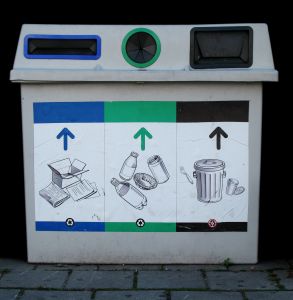
Start by locating a place in your home where you can place several bins for recycling (as many bins as there are different categories you want to recycle). Bins can be bought at home improvement stores, or you can use simple trash cans and label them. Try to find a place that is easily accessible, such as a garage, pantry, or laundry room. For ease of use, make the bins different colors and label them clearly (a picture also helps younger children identify in which bin to put things).

Recycling how-to

Now it’s time to start recycling! The main thing to remember is that not everything is recyclable, and that some things must be recycled properly. Below are some helpful tips; more can be found online.

1.Almost all paper can be recycled, but some types are harder to recycle than others. Paper coated with plastic, is waxy, or has glue or gummy residue on it is generally not recycled because the process is too expensive. Gift wrap is not recycled since it is already poor quality. This does not mean, however, that you can’t recycle wrapping paper in good condition by using it again to wrap another gift!

2.Remove the glossy inserts/advertisements from newspapers before recycling; they are made from a different type of paper and are not processed because of their coating.

fam23. Clean out aluminum cans with water before tossing them in the recycling bin. Fun Fact: Recycling one aluminum can saves enough energy to run a television for 3 hours!

4. Do not crumple up paper. This is not necessary and takes up more space in the bin.

5. Do not throw out or recycle important documents. Shred any papers that have personal information and/or passwords/ID information on them; then toss.

6.Although labels do not need to be removed from plastic bottles to make them recyclable, lids are often made from a different kind of (non-recyclable) plastic and should be removed. Plastic is often numbered with identification numbers 1–7, telling which kind of plastic it is. Visit obviously.com for more details on which numbers are recyclable.

7.If you are going to recycle glass, make sure that it is somewhere that children cannot get to it, since it could easily break when tossing. Fun Fact: Glass can be recycled indefinitely since its structure doesn’t deteriorate when reprocessed.

Once your bins are full, it’s time to take them to a local recycling center. Visit the Recycling Center to find one in your area. Make sure that all recyclables are organized; even one or two wrong items in a bin could send it all straight to the trash. You may be able to make a little money from some of your recyclables, so check with your center before dropping it off. You can save up your money for a fun family night or to buy something you all want.

Other creative ways to recycle

fam3There are many other ways you can recycle without having to use a bin system. Here are just a few:

  • As mentioned before, reuse wrapping paper and gift bags that are still in good condition.
  • Cut up old cards to use as gift tags.
  • Use plastic shopping bags for various projects around the house. These can be invaluable––don’t just toss them! If nothing else, see if your local grocery store accepts their bags back.
  • Use scrap paper for kids’ art projects.
  • Keep a box of odds and ends handy for craft and science fair projects.
  • Print unimportant things on both sides of computer printing paper.
  • Refill ink cartridges, or exchange your old ones for a new one. Many places will give a discount for trade-ins.
  • Invest in (or find around the house) a good tote bag that can be used for library and grocery trips, or to carry things with you in the car. This will eliminate the constant use of plastic bags.

We are responsible for taking care of our planet, and recycling is just one easy way in which we can get our families involved. It’s never too late to start helping out, and it’s always a great idea to have a project that the entire family can take part in. So gather your family, grab some bins, and get busy caring for God’s beautiful creation!

By Lisa Grimenstein

Outdoor Group Dates

dating1With the freshness of spring, and warmer weather in our midst, let’s enjoy His creation with a group of friends (significant others welcome)! For a quick list of fun warm-weather activities, visit our Top Ten list from June 2008.

When participating in any outdoor activity, make sure to keep plenty of water and healthy snacks handy to help keep people from getting dehydrated or overly hungry.

The ideas

Watch an outdoor movie. Some libraries offer free outdoor movie nights during warm weather, so visit your local library to see what they offer. If a free movie isn’t an option, visit the drive-in on a family– friendly movie night (just make sure the friends you go with are mature enough to not engage in impure, ungodly activities), or have a friend bring a laptop to the park. If the place you’re viewing the movie allows, bring your own snacks and drinks to save money––each person could be in charge of one item to offer a large variety of goodies.

Visit an outdoor museum or learning center. Many museums and learning centers have outdoor spaces to enjoy, so look up the ones in your area to see if they offer group discounts or special discounted days or times (many offer half price or free admission after a certain time of day).

Spend an afternoon at a state park. More than a city park of swings and picnic tables, state parks often have lakes, horseback riding, trails, caves, canoeing, and a variety of other outdoor activities. To find a park in your area, simply type “state park,” then insert your state name into a search engine. Most state parks have websites, so you can find out their specific activities, prices, and hours to find the best park for your group.

Play a sport. Many city parks have tennis courts or basketball hoops that can be used for free, as well as open field areas for baseball or soccer. They may also have sidewalks or trails for rollerblading or bike riding. Just make sure that, no matter what sport you’re planning on participating in, you bring your own equipment and follow the park’s safety procedures!

dating2Go on a picnic. This can be done anywhere from your backyard, to your local park, to a state park. Everyone can bring one item to share, and if nobody in the group is up to using a grill, people can just bring sandwich fillings or chicken salad along with the other treats.

Watch an event at an amphitheater. This is basically like an outdoor play, and can vary widely in cost and professionalism, so ask around in your area to find what suits your tastes. If you’ve never experienced the outdoor play, this could be a real treat! If there are no amphitheaters in your area, pull the talents of you and your friends together and create your own short play on somebody’s back porch.

Host a yard sale. Clean out your room (and with your parents’ permission, other areas in the house), and have your group do the same. Place an ad in your paper at least a week in advance, then have everyone bring their stuff over a few days before the sale. They can help price and set up the sale, and place well-written signs around the neighborhood. Everyone can take turns manning the booths on sale day so nobody has to sit in the sun all day. Donate the money––and the leftover items––to a worthy cause.

Serve somebody else. Nothing brings a group together faster than doing something for someone else. Whether you mow somebody’s grass, help someone clean out their garage or shed, or grill a dinner for a family in need, you’ll feel great knowing that you’re all working together to help other people.

Clean Spring

It’s important to keep our minds and hearts pure. This can be exceptionally difficult to do while dating, but we can all choose to care for His creation (in this case, you and your date) by encouraging him to participate in clean, group activities so he can have an easier time of keeping his thoughts pure as well (Psalm 24:4-5; Hebrews 10:22-25).

By Davonne Parks

Sharing Him Article #4: Authority in Religion

stw1As you engage people in a discussion of religious matters and their personal need for God, it is very important to discuss, very early in the conversation, the significance of the Bible being our only authority – our only guide, our only standard – in religion.

Perhaps we assume that everyone automatically thinks of the Bible, and whatever it says, as the final word in all religious matters; but such an assumption is wrong!  There are those who do not know the Bible is our only guide; there are others who emphatically reject the very notion of such.  Because people are guided by different “standards” (such as church authorities, majority rule, what is popular, their own personal preference or opinion, or any such like), different doctrines and practices are advocated.  Our goal is to get people to look to the Bible, and the Bible alone, as the only and complete guide for all religious questions.

Introduction passages

There are several passages we need to introduce to people so that they will know the Bible is to be our only guide.  The following are some significant points, with scriptural references establishing them:

1. The Bible is the Word of God. Carefully study 2 Timothy 3:16–17, and note some truths set forth in this text.  First, all Scripture is given by inspiration of God; the Bible is not the product of man, but a revelation of the mind and will of God (for some comparison passages, see also 1 Corinthians 2:9–13; 2 Peter 1:20–21; Matthew 24:35).  Second, Scripture is profitable (useful; beneficial) for doctrine (teaching), reproof and correction (to reveal our sin, and to convict us of our sin), and for instruction in righteousness (teaching about the right ways of God).  Third, Scripture is complete (the meaning of the word “perfect” in the King James Version); Scripture completely furnishes us unto every good work of God.

Emphasize that the Bible is God’s Word and provides all we need in religion!

2.  God the Father has given all authority to His Son, Jesus. Jesus has all authority (Matthew 28:18–20) and God speaks to us through His Son (Matthew 17:5; Hebrews 1:1–2).  Jesus’ words are to be taught (Matthew 28:19), to be continued in (John 8:31–32), and will judge all mankind at the last day (John 12:48).  Jesus is the “final word” because He is the only head of the church (Ephesians 1:1–2; Colossians 1:18).

Emphasize that we must listen to Jesus, and His Words are found in the Bible!

stw23. Jesus promised the apostles inspiration. Read and study John 14:25–26 and John 16:12–13.  Jesus promised His apostles inspiration:  the Holy Spirit would teach them all things, bring to their remembrance what Jesus said, guide them into all truth, and show them things to come.  To hear and heed the words of the apostles is to hear and heed the Word of God.  They acknowledge this inspiration, and said their words could be read and understood (Ephesians 3:3–5).

Emphasize that the words of the apostles and prophets in Scripture are the very words of God!

4.We must not depart from God’s Word. The Bible warns against teaching for our doctrines the commandments of men (Matthew 15:7–9), adding to or taking from God’s Word (Proverbs 30:5–6; Revelation 22:18–19), or turning aside to any other gospel (Galatians 1:6–9).

Emphasize that God has given us all things pertaining to life and godliness in Scripture (2 Peter 1:3).

In conclusion

These points are all for the purpose of getting people to look to the Bible as their standard, their authority, for all religious matters.  When it comes to any doctrine or practice, the thing that matters is what the Word of God teaches.

It is important that people not think in terms of “what my church teaches” or “what your church does,” or “what you think about it,” or “what I was told,” but rather what the Bible says. That is the importance and essentiality of knowing the Bible is our authority.

By John Brown

Organic or Not

haf1“And God said, ‘See, I have given you every herb that yields seed which is on the face of all the earth, and every tree whose fruit yields seed; to you it shall be for food’” (Genesis 1:29 NKJV). All of the fruits, vegetables, meats, and grains we consume have come from God. In order to have a healthy, balanced diet, we are to eat a wide variety of His foods daily. In our efforts to be healthy, organic foods have recently become popular. When you go to the grocery store, how do you decide between the fruit you have always purchased, and the fruit labeled “organic”? How do you know if something is organic? Is organic really healthier or more nutritious for you? I’ve done some research on this topic, and will discuss with you what I’ve found so that you can make an informed decision for yourself.

Organic basics

“Organic” refers to the way that fruits, vegetables, meats, grains, and dairy products are grown, processed, and handled. Organic farmers find different ways to fertilize, control pests, prevent diseases, and control weeds compared with conventional farmers. While a conventional farmer may use chemical insecticides to reduce the amount of pests and disease, an organic farmer will use beneficial animals, birds, insects, or set traps out to keep the pest population down in a more natural way. A conventional farmer will use chemical weed killer to manage weeds, while an organic farmer will use crop rotation, tilling, mulch, and pulling weeds by hand. Conventional farmers may use antibiotics, medications, and growth hormones to keep their livestock healthy, growing, and free of disease. An organic farmer will feed their livestock a well-balanced, healthy diet, maybe some organic feed, allow their livestock access to the outdoors, and keep their living spaces clean in order to prevent diseases.

Organic guidelines

The USDA regulates strict guidelines in how food is grown, processed, and handled to determine if the product is able to be called “organic.” A farmer must be USDA certified to grow organic foods, which means he or she has met the standards set up to grow organic. The USDA will only label a product “organic” if 95 percent of the food’s ingredients are organically grown. Watch labels and food ingredients, as foods can be labeled “made with organic ingredients,” haf3“all-natural,” “free-range,” “no antibiotics used,” and “grass fed/meadow raised.” This does not mean that the product is organic. Conventional foods use waxes and preservatives to make them last longer on the shelf and appear more attractive. Organic foods do not have these waxes and preservatives, so they may spoil faster and may have odd shapes.
Many factors contribute when making the decision to buy organically grown or conventionally grown foods. Nutritionally, organic foods have not been found to be any more nutritious than conventional foods. The USDA does not claim that organic is more nutritious. The cost of organic foods is higher than conventional foods, mostly in part because of the increased work and cost that goes into growing and processing. Organic growing methods are labor intensive (hand pulling weeds instead of chemical weed killer), have strict government regulations, and may produce a lower yield. Some people say they can detect a difference in the taste of foods grown organically versus conventionally, while others say they cannot tell a difference at all. In quality and safety, organic and conventional produce must meet the same standards.

Your decision

Overall, the decision to buy organic or not should be studied and looked into before you decide. There are numerous issues surrounding this industry, and you should weigh their importance to you, personally. Regardless of whether they are organic or not, all fruits and vegetables should be washed thoroughly under running water to decrease the amount of dirt and bacteria, the outer layer of leafy green vegetables should be removed, and the fat should be trimmed off of meat, poultry, and fish. To receive the best taste and quality in foods, always purchase the freshest produce and produce that is currently in season. Taste is very subjective and personal, so try different things. Compare organic and conventional products and pick what tastes good to you. If freshness and quality are important to you, consider visiting a farmers’ market. Farmers’ markets allow you access to locally grown, farm-fresh produce. And since it is local, you are getting much fresher food than if you purchased it at a store––and usually at a better price. The USDA website has a link to find farmers’ markets in your area with state-wide farmers’ markets, contact information, and operating days and times. You can visit their website for more information. Visit USDA for more information on organically grown products, certification, safety standards and how the USDA regulates all agriculture. Let us remember, “…What God has cleansed you must not call common” (Acts 10:15 NKJV).

Food of the Month: Broccoli

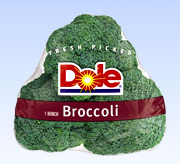
Broccoli is a nutrition powerhouse high in iron and vitamins A and C, rich in fiber and folate, and low in sodium. Broccoli is at its peak October through April, but is available year-round. Broccoli is best when it has a deep, strong green-purple color and tightly closed buds. Pieces that have begun to flower should be avoided, as this indicates the broccoli is old and tough. Store fresh, unwashed broccoli in a bag or airtight container in the crisper of the refrigerator for up to 4 days. Wash broccoli under running water, removing any outer leaves before eating. Broccoli can be eaten fresh, cooked, or steamed. Broccoli also comes frozen, and can be used in recipes such as pasta dishes, casseroles, soups, and as a side dish. One pound of fresh broccoli equals 2 cups chopped. One 10-ounce frozen package of broccoli equals 1 ½ cups chopped. One cup of chopped, cooked broccoli contains 43 calories, while 1 medium fresh stalk (148g) contains 45 calories. Broccoli is extremely versatile and incredibly nutritious, so as you are visiting your local farmers’ markets this spring, why not grab some and reap the benefits!

By Sherri Houmard