 Stress is such a big part of our day-to-day lives. No matter what stage of life you are in, there is often some type of stress that you deal with. Stress can build up, leaving us to worry about how we are going to get everything done that we need to get done. We begin making lists of things that need done, and then the list spills over into tomorrow, adding anxiety and guilt over what could not be accomplished and what still needs done. Jesus tells us in Matthew 6:34, “Therefore do not worry about tomorrow, for tomorrow will worry about its own things. Sufficient for the day is its own trouble” (NKJV). So what can we do in order to live like Jesus has instructed us? We must learn to manage that stress in a godly way!
Stress
Stress can be simply defined as the effects of outside forces on an individual. This is what you are feeling when you have to handle more than you are used to. Stress can be a good thing and can cause your body to react when in danger. Stress can come from external factors, such as your relationships with others, your job, the environment, and from expectations and situations that you experience every day. Stress also comes from internal factors, such as how you react to outside stressors, your nutritional and fitness status, your emotional well-being, and how much rest your body receives. We can become so stressed that it starts to manifest itself mentally, emotionally, and physically. People under severe stress can suffer sleep disturbances, muscle tension, headaches, gastrointestinal disturbances, fatigue, nervousness, anxiety, loss of enthusiasm or energy, moodiness, a decreased immune system, and a change in eating habits.
How To Manage Stress
Knowing what is causing you to feel stressed will allow you to manage your stress. Once you know what is causing you stress, look for ways that you can relieve the stress. Ask someone for help if you need it. Organize your schedule and do the most important tasks first, instead of waiting until later or taking on too much. For some, it may be as simple as better organizing your time. Look at the ways you have currently been coping with stress. Are they effective and healthy? Look for better ways to relieve your stress if you don’t feel as though yours are working. Make sure you get plenty of rest, eat healthy foods, and exercise regularly. Surround yourself with people who are a good support system for you. Sometimes just talking through a situation will make things clearer and your tasks may seem more manageable. Most importantly, don’t forget to pray and ask God for help!
Stress Relief
 You will feel so much better if you can find ways to de-stress. You can come up with your own, or use some from the list below. Think about what makes you feel better and what you enjoy doing. Different things work for different people. No matter what you choose, make sure you try out a few things to see what works best for you. As always, consult your doctor before beginning a new exercise regimen. WebMD.com has a few suggestions for managing stress:
- Exercise: regular exercise is one of the best ways to manage stress.
- Write: writing can help you get thoughts down on paper and out of your mind, to deal with more efficiently.
- Let your feelings out: talk, laugh, and cry when you need to with someone that you trust.
- Do something that you enjoy: a hobby can help you to relax.
- Learn ways to relax your body: this can include breathing exercises, muscle relaxation exercises, massage, aromatherapy, or yoga.
- Listen to relaxing music, light candles, and take a bubble bath, read, or laugh.
Stress is part of our everyday lives. How you choose to manage it can determine your health. Let us make sure that we are always looking to God for help and instruction on how He wants us to live. “Be anxious for nothing, but in everything by prayer and supplication, with thanksgiving, let your requests be made known to God; and the peace of God, which surpasses all understanding, will guard your hearts and minds through Christ Jesus.”(Philippians 4:6-7, NKJV).
By Sherri Houmard
 Even before I got married, I had my own insurance through my job. Choosing which insurance option was right for me was difficult enough without having to make the best choice for a family. Although some employers may not offer more than two plans, usually those plans have extra options.
 Before making the decision, make sure your primary care physician (PCP) (and any other physicians your family may use on a regular basis) is covered by the plan you choose. Most employers provide websites with the plan information to verify that your doctors are covered under the plans.

 Whether you are a newlywed or have moved out on your own for the first time, you will need to prepare meals for yourself, your new husband, and any visitors you may have. Some of us have been fortunate enough to have our mothers or grandmothers take us into the kitchen as little girls and show us how to make many different things. Others may not have had anyone to teach them. Some people love to cook, and some people have no desire at all. Even if you had many experiences with cooking, your new husband may have grown up with very different recipes or ways to prepare them. Cooking and sharing a meal together is a great way to unwind and talk about your day, and it is very rewarding to feel like you are a blessing to your husband, family, or visitors. “She also rises while it is yet night, and provides food for her household and a portion for her maidservants” (Proverbs 31:15, NKJV). While some of our most memorable times are around the dinner table, preparing meals can become stressful, and having some basic tips can help to alleviate that stress.
 As with the kitchen supplies, there are always certain ingredients you should keep on hand. Butter, eggs, milk, flour, sugar, salt, pepper, broths, cooking oil/spray, vegetables, fruits, and frozen meats are some common items that are used in recipes. Once you have an idea of what kinds of meals you will be preparing, create a list of all of the meals you know how to make and that you like. Always keep the basic ingredients stocked in your kitchen, as well as items needed to prepare the meals on your “master list.” Once you have your list of meals, you can even sit down and plan out your meals for each day of the week using that master list. Making
  You may find yourself entertaining more often, and the more you entertain, the better you will become. When deciding what to prepare, keep in mind who is coming, whether it is to be a casual affair or a special celebration, where and when it will take place, and what your budget is. Always plan your main dish first, and remember to complement with side dishes. Make sure the flavors go together. A strongly flavored main dish needs a more mild side dish. If the meal is on the heavy side, try a lighter dessert. People will expect lighter dishes for breakfast and lunch and more hearty dinners. Consider hot foods and rich desserts in fall and winter and fresh, cool dishes in the summer. If there are multiple dishes that need to go into the oven at different temperatures, reconsider some of your options to include dishes that can be served cold, ones that can be served at room temperature, and ones that need to be served hot. Remember to stay organized and relaxed. People are coming over to spend time with you and have a good time. You do not need to impress them with exotic feasts, but serve good food that you enjoy, and your guests are sure to enjoy their time with you. “And make me savory food, such as I love, and bring it to me that I may eat, that my soul may bless you…”(Genesis 27:4, NKJV).
 College is a pivotal time in a young adult’s life, but it also can lead to a decline in healthy habits and physical activity. The “freshman 15,” or typical weight gain of a college student, is usually due to a decrease in activity, an increase in unhealthy food choices, stress, and the change in daily routine. Although it seems like a rite of passage to enjoy every single freedom that college brings, it is not an excuse to allow bad habits to take over while healthy habits decline. College can be the perfect time to change for the better.
 Stress is a big problem in college due to hectic schedules, homework, job schedules, sports practice, being away from home, peer pressures, and other collegiate pressures. Try to set aside time each day just to relax. Do whatever you need to do (read, exercise, listen to music, etc.). There are a lot of new things going on in your life at this time––new adjustments to living on your own or living with people that you’ve never known before. Make sure you take some time just for you. Do not eat food just because you are stressed or bored and have nothing else to do.
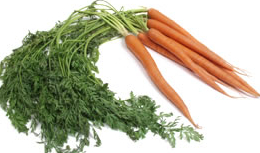 Carrots are a member of the parsley family, with feathery, leafy greens and an orange root.
  We recently discussed how to protect against sun exposure by using sunscreen and protective layers, so please read that
  If you do get a
  The term “waterproof” on a sunscreen bottle is deceiving. No sunscreen can be kept from washing off. Some of the ingredients may help certain sunscreens to be more water resistant than others, but all sunscreen eventually washes off and must be reapplied. Remember to apply sunscreen liberally! An average-sized adult needs approximately 2 tablespoons of sunscreen for skin to be appropriately covered. Make sure you remember your lips, ears, neck, and underneath the shoulders of sleeveless shirts (most tops will shift at some point).
 We have been talking about renewing an
  If you are craving fast food, or if fast food is your only option and you need something quickly, try ordering from the kid’s menu. Kid’s meals are smaller portions, and more accurate to the amount we actually need, meaning fewer calories. Most fast food restaurants now offer side dish options where you can choose a salad or fruit instead of french fries. Water instead of soda is always a good option, and grilled chicken sandwiches contain less fat and calories than hamburgers (just don’t negate the healthiness with tons of mayo!). Many fast food chains are making the nutritional information for their products available. Make sure to ask for that information if it is not readily available. A good tip when ordering––the words “small,” “kiddie,” and “regular” identify the appropriate serving sizes with fewer calories.
 The human body is about 50–70%
  “And God said, ‘See, I have given you every herb that yields seed which is on the face of all the earth, and every tree whose fruit yields seed; to you it shall be for food’” (Genesis 1:29 NKJV). All of the fruits, vegetables, meats, and grains we consume have come from God. In order to have a healthy, balanced diet, we are to eat a wide variety of His foods daily. In our efforts to be healthy,
  “all-natural,” “free-range,” “no antibiotics used,” and “grass fed/meadow raised.” This does not mean that the product is organic. Conventional foods use waxes and preservatives to make them last longer on the shelf and appear more attractive. Organic foods do not have these waxes and preservatives, so they may spoil faster and may have odd shapes.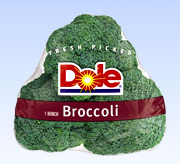
Recent Comments